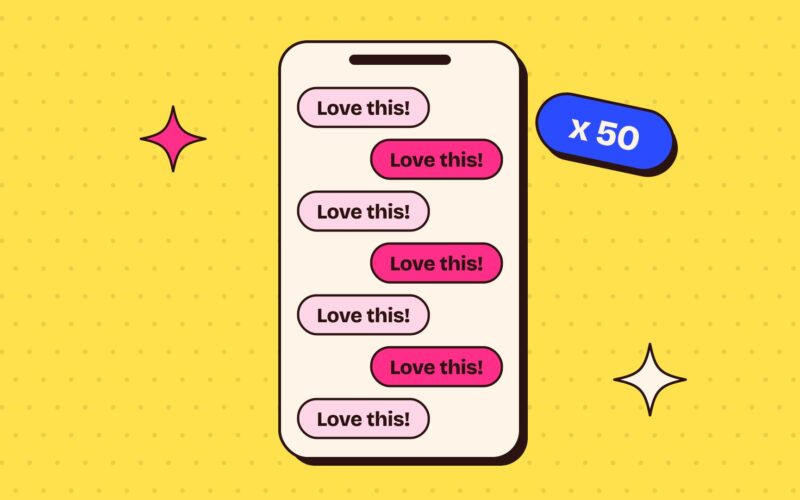
“While you’re in there, could you just…”
Five words that have quietly eaten more marketing budgets than any failed campaign. That’s scope creep: the slow, friendly, almost invisible way a project grows beyond what was agreed, without the time, budget or deadline growing with it. Nobody sets out to cause it. It happens one small favour at a time, and by the end you’re doing twice the work for the same fee and wondering why you’re tired.
As Chief Operating Officer at Delivered Social, a big part of my job is looking at how work actually gets done, and where the hours go. Jonathan, our founder, wrote recently that seventy hour weeks are not a badge of honour. I agree, and I’d add this: a lot of those seventy hour weeks start with “could you just”. So let’s talk about how to spot it early and stop it without falling out with anyone.
What does scope creep look like in real life?
It rarely arrives as a big, obvious request. It turns up in disguise. A few of the classics:
- The extra platform. You agreed Instagram and Facebook. Now they’d love a few posts on LinkedIn too, “since you’re writing them anyway”.
- The endless rounds. Two rounds of amends becomes five, because each round brings a new person into the email chain with a new opinion.
- The quick add on. A blog post becomes a blog post plus the email newsletter version plus three social snippets.
- The moving brief. Halfway through a website build, the client decides the services pages need rewriting, or the whole colour palette is changing.
- The reporting ask. A monthly summary slowly turns into a weekly call and a custom dashboard.
None of these are unreasonable requests on their own. The problem is that they’re treated as free. Each one takes time, and time is the only thing a service business really sells.
Why it happens (and why it’s not just the client)
It’s tempting to blame clients or managers, but scope creep is usually a shared habit. Clients often genuinely don’t know how long things take. To them, “just a quick extra post” sounds like five minutes. On our side, we want to be helpful, we want the relationship to go well, and saying yes feels easier than having an awkward money conversation.
It also happens because the original scope was fuzzy. If the proposal said “social media management” without saying how many posts, which platforms or how many rounds of changes, then there’s nothing to point back to. You can’t creep beyond a line that was never drawn. If design requests are the usual culprit for you, we’ve written about why you should stop calling it a quick graphic, which is the same problem in a different outfit.
Scope creep doesn’t arrive as one big ask. It arrives as twenty small yeses.
Draw the line before the work starts
The best protection is boring, and it’s paperwork. A clear scope makes every later conversation easier, because you’re not arguing about opinions, you’re pointing at what was agreed. Before any project starts, get these written down and agreed:
- The deliverables. Exactly what’s included, with numbers. Twelve posts a month, two platforms, one report.
- What’s not included. This is the bit people skip. Listing the things you’re not doing heads off a lot of assumptions.
- Rounds of amends. How many, and what counts as an amend versus a new piece of work.
- Who signs off. One named person on the client side who gives approval, so feedback doesn’t arrive from six directions.
- Timings. What you need from them and by when, so delays on their side don’t squash your time later.
- How extras are handled. A simple line explaining that anything outside the scope will be quoted separately before work begins.
That last point matters most. It turns a future awkward chat into a process everybody already agreed to.
How do you spot scope creep while it’s happening?
Even with a great scope, creep still finds a way in. The trick is noticing early. A few warning signs I look out for:
- Time tracking on a client is creeping up month after month, but the fee hasn’t moved.
- The team keeps saying “it’s only a small thing” in meetings.
- New faces keep appearing in feedback threads.
- You can’t quite remember whether something was in the original agreement, and nobody wants to check.
If you track your time, even roughly, it becomes much easier to see. Feelings are easy to argue with. A timesheet showing a client took eight hours more than planned is not.
How to say no without saying no
You don’t have to be the bad guy. Most of the time, the answer isn’t “no”, it’s “yes, and here’s what that involves”. Try something like:
“Happy to help with that. It sits outside what we agreed for this month, so I’ll send over a quick quote. Or if you’d prefer, we can swap it in for one of the planned pieces.”
That gives the client a choice: pay for the extra, or trade something out. Both are fair. What you’re avoiding is the third option, where you quietly absorb it and resent it later. If you’re employed rather than freelance, the same approach works with your manager: “I can do that. Which of my other priorities should move to make room?”
Every so often, doing a small extra for free is a smart, generous thing to do. That’s fine, as long as it’s a choice. Tell the client it’s a one off and that you’ve covered it. Then it’s a gift, not a new expectation.
Protecting your team’s time is protecting the work
When scope creep goes unchecked, it doesn’t just hit the profit margin. It hits people. Deadlines get squeezed, quality slips, evenings disappear and good people burn out. From an operations point of view, a clear scope is one of the kindest things you can give a team. It means they know what a good month looks like, and they can actually finish it.
So draw the line early, write it down, and keep an eye on the hours. Your clients will respect you more for it, not less.